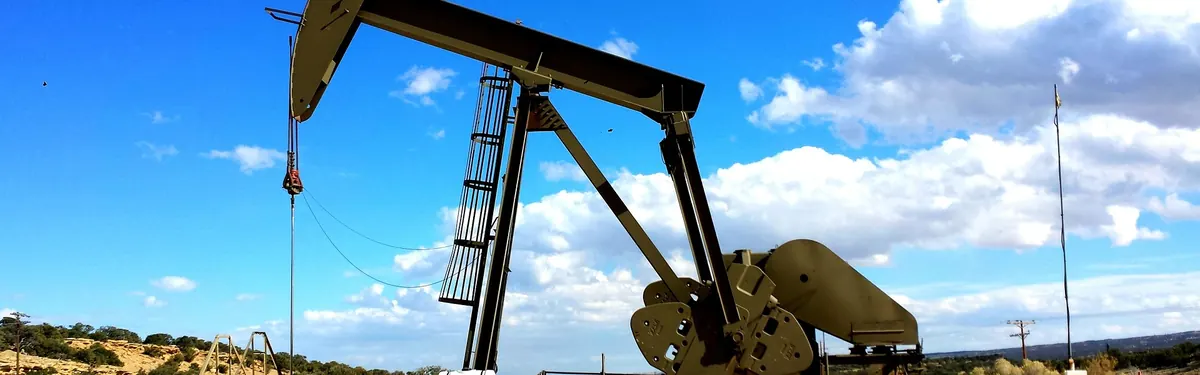
Onshore terminals, tank farms, compressor and metering stations, LPG bottling plants and refinery units — the installations where a hydrocarbon release, a sour gas pocket and a standing plant all cost money on the same day.
Oil and gas in detailUnderground operations, conveying, crushing and screening, and the processing plant above them. Mining combines the two halves of our business more directly than any other sector: heavy wear parts on one side, continuous gas monitoring on the other.
Mining in detailDepots, workshops and transfer facilities. Railway operations buy two things from us: components that have to meet rail requirements, and the gas detection that a workshop with diesel vehicles and battery charging actually needs.
Railway operations in detailBreweries, distilleries, dairies, frozen food plants and beverage bottling. Two gas hazards define this sector, and both of them are routinely underestimated: ammonia in the refrigeration plant and carbon dioxide wherever something ferments.
Food and beverage in detailFurnaces, casting, forging, rolling and metal cutting. Metallurgy produces the one gas hazard that people consistently underestimate — carbon monoxide in quantities that make an area lethal long before anything smells wrong.
Metallurgy in detailProduction and storage, laboratories, waste water treatment. The chemical industry is the sector where no single detection technology is enough, because the gas list changes with the campaign.
Chemical industry in detail