Point detector, open path or ultrasonic — how do we decide?
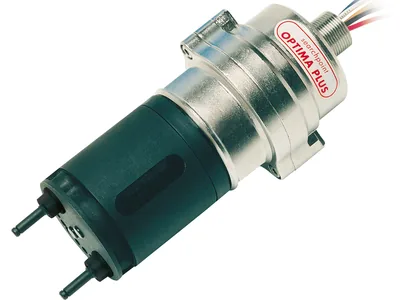
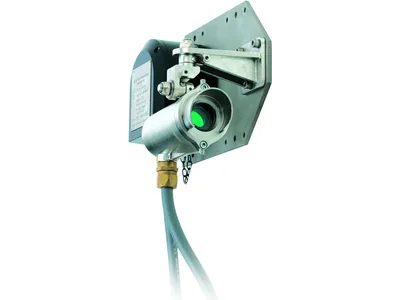
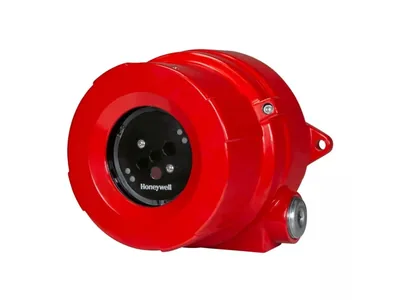
It depends on how a leak would behave at that location. A point detector such as Searchpoint Optima Plus measures the concentration where it is installed, which works where the release point is known and the gas will accumulate. An open path detector such as Searchline Excel monitors a line of up to several hundred metres and catches a cloud crossing it, which suits perimeters, pipe racks and loading areas. An ultrasonic detector such as Searchzone Sonik reacts to the sound of a pressurised leak instead of the gas itself, which is the answer for well-ventilated outdoor plant. Large installations usually combine two of the three.
Which gas detector is right for hydrogen sulphide in a zone 1 area?
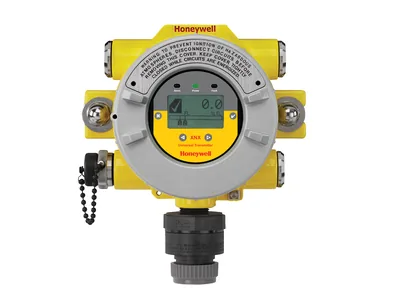
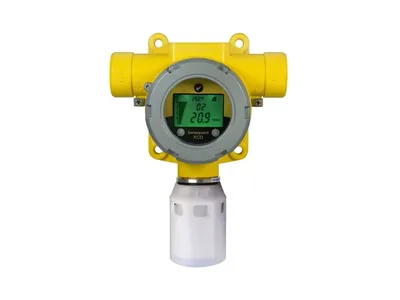
Hydrogen sulphide is normally measured electrochemically, so the question splits into the sensor technology, the transmitter and the equipment approval for the zone. In practice this leads to a transmitter and sensor combination from the Sensepoint XCD or XNX™ families, or to Series 3000 detectors where an intrinsically safe two-wire loop is already installed. The binding selection depends on the alarm thresholds, the ambient conditions and the approval documentation, which we check before quoting.
Can new detectors be connected to an existing controller?
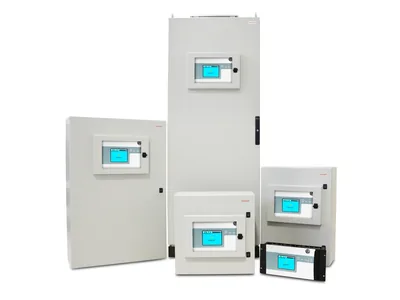
Often yes, and it is usually the cheapest route. It depends on the signal type and the channel count of the installed controller. We check what is installed, what is still supported by the manufacturer, and whether a staged migration — detectors first, controller later — keeps the plant covered throughout.
Does VERTEX GmbH install and commission fixed gas detection?
Yes. Our scope covers the measuring point concept, the equipment supply, mounting and cabling, connection to the controller and the plant control system, functional testing of the whole alarm chain, handover documentation and operator training. Calibration and maintenance continue under a service agreement after handover.